Why Sprinkler Repairs Matter More Than Most Homeowners Realize
A sprinkler system is one of the few parts of your property that runs underground and out of sight. When something goes wrong, the symptoms often show up late — in the form of:
- unusually high water bills
- soggy patches in the yard
- dry zones that never get water
- weak water pressure
- or even foundation stress
Most homeowners don’t realize how small issues can turn into expensive problems if ignored. This is why we focus on fast diagnosis, honest communication, and long‑lasting repairs.
Below are the most common sprinkler system issues we fix across Central Arkansas — and what they mean for your home.
Broken Water Pipes
Underground pipes are more vulnerable than people think. Even a perfectly installed system can be damaged by outside forces or natural soil movement.
Common causes we see:
- Old work that has deteriorated over time
- Re‑work from other contractors digging without checking lines
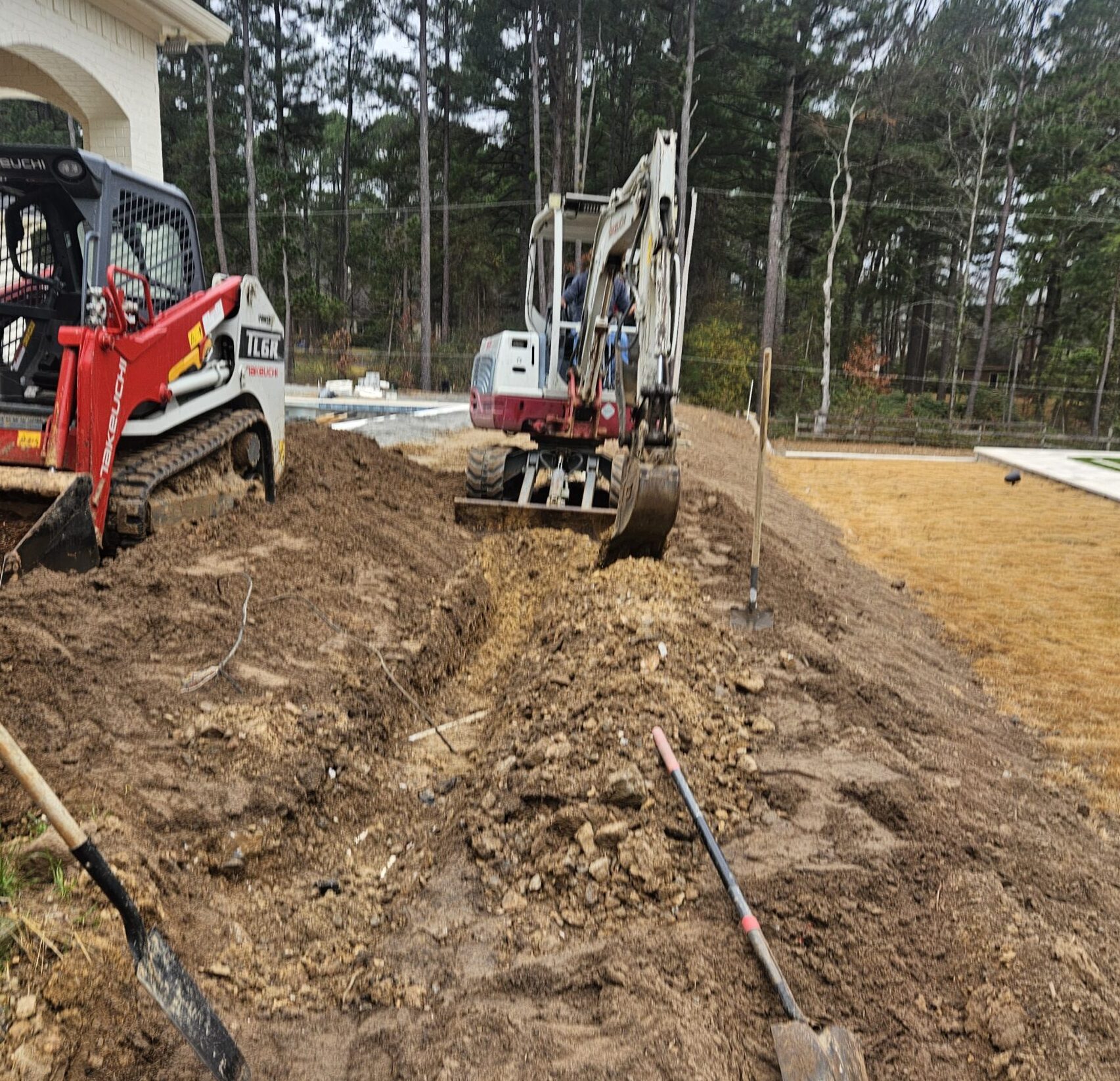
- Heavy equipment (trucks, trailers, skid steers) driving over shallow pipes
- Rocks pressing against pipes as the soil shifts
- Pressure spikes from municipal water changes
- Tree roots pushing or cracking PVC
Why it matters:
A broken pipe can leak hundreds of gallons a day. That means:
- higher water bills
- erosion
- soggy areas
- weak pressure in other zones
- potential foundation issues
How we fix it:
We locate the break, repair or replace the damaged section, and check the surrounding lines to ensure the system is stable — not just patched.
Damaged or Faulty Sprinkler Heads
Sprinkler heads take the most abuse because they sit at ground level.
Most common issues:
- Lawn care damage (weed eaters, mowers, edging tools)
- Old or brittle heads from previous installations
- Heads installed too low or too high
- Incorrect spray patterns causing dry spots
- Clogged nozzles from debris or hard water
- Heads that never fully retract
Why it matters:
A single bad head can cause:
- uneven watering
- wasted water
- dead patches
- overspray onto sidewalks, driveways, or the house
How we fix it:
We replace damaged heads, adjust spray patterns, set proper height, and ensure each zone delivers even, efficient coverage.
Electronic System Failures
Your controller, wiring, and valves are the “brain” of your irrigation system. When they fail, the whole system becomes unpredictable.
Common causes:
- Old wiring from previous work
- Cable damage from new landscaping or construction
- Moisture intrusion into valve boxes
- Faulty solenoids or valves
- Aging controllers that lose programming
- Power surges during storms
Why it matters:
Electronic failures can cause:
- zones that never turn on
- zones that never turn off
- inconsistent watering
- wasted water
- surprise water bills
How we fix it:
We test wiring, inspect valves, replace faulty components, and reprogram the controller so the system runs reliably and efficiently.
How to Know When You Have a Leak
Many homeowners call us because something “feels off,” but they’re not sure what. Here are the most common warning signs:
- sudden increase in your water bill
- soggy or constantly wet areas
- weak pressure in certain zones
- sprinkler heads that hiss or bubble
- water running even when the system is off
- mold or mildew near the foundation
If you notice any of these, it’s worth getting checked quickly. Small leaks become expensive fast.
Why Homeowners in Central Arkansas Trust Saldana Sprinklers
We’ve repaired hundreds of systems across Central Arkansas, and one thing is always true:
A good repair is not just about fixing the symptom — it’s about understanding the system.
We take the time to:
- diagnose the real cause
- explain the issue clearly
- repair it the right way
- prevent future problems
- and make sure your system runs efficiently
Our goal is simple: your yard works the way it should.
No responses yet